Key Takeaways:
- Kratom is not classified as an opioid botanically or legally, since it comes from Mitragyna speciosa, a tree in the coffee family, rather than the opium poppy that produces traditional opiates.
- Kratom’s active compounds, mitragynine and 7OH kratom, bind to the same mu-opioid receptors as morphine and oxycodone, which is why kratom can produce opioid-like pain relief, euphoria, dependence, and withdrawal.
- Kratom’s legal status varies significantly by state; it is not federally scheduled, but states including Alabama, Arkansas, Indiana, Rhode Island, Vermont, and Wisconsin have banned it.
- Because kratom isn’t a traditional opiate, it does not appear on standard drug tests; detecting it requires a specialized kratom drug test built to identify mitragynine and 7OH kratom specifically.
Question:
Is kratom considered an opioid?
Answer:
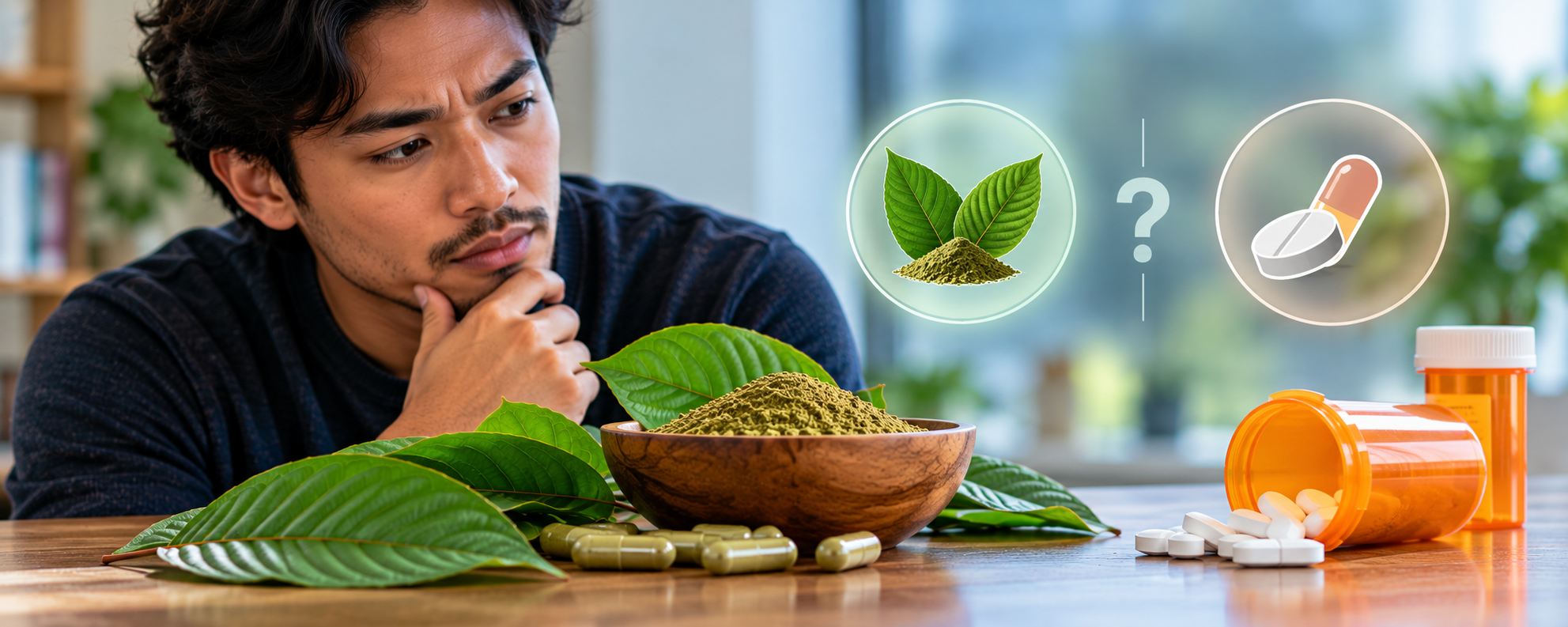
This blog addresses a common point of confusion: is kratom an opioid? The answer is nuanced. Botanically and legally, kratom is not an opioid, since it comes from a Southeast Asian tree unrelated to the opium poppy. However, its active compounds, mitragynine and 7-hydroxymitragynine (7OH kratom), bind to the same mu-opioid receptors as morphine and oxycodone, producing similar pain relief, euphoria, and risk of dependence. The post walks through kratom’s origins, its modern forms (including kratom pills, shots, beverages, vapes, and branded products like Opia kratom), its patchwork legal status across states, and how this classification affects drug testing. Because kratom isn’t a traditional opiate, standard panels don’t detect it; only specialized kratom drug tests can. The post closes by helping readers recognize signs of concerning use and pointing them toward treatment resources and information on what standard drug panels are designed to detect.
If you or someone you love has been using kratom, you’ve probably run into conflicting information. Some sources call it a natural supplement. Others warn it behaves like a dangerous opioid. Both descriptions carry a piece of the truth, and that overlap is exactly what makes kratom’s classification so confusing.
This confusion matters beyond curiosity. How kratom is classified affects everything from its legal status to how it interacts with drug testing to whether someone recognizes their own use as something worth addressing. Understanding where kratom fits, and where it doesn’t, can help you make sense of the information you’re seeing and take the next step with clarity.
This guide walks through what kratom actually is, breaks down its active compounds, and answers the central question directly: is kratom an opioid? We’ll also look at how kratom differs from traditional opioids, how it behaves similarly, its shifting legal status, and what its classification means when it comes to drug testing.
What Is Kratom? A Brief Overview
Kratom comes from the leaves of Mitragyna speciosa, a tropical tree native to Southeast Asia. Communities in Thailand, Indonesia, and Malaysia have used kratom leaves for generations, often chewed fresh or brewed into tea, for their stimulant and sedative properties. Learn more about what kratom is and why people use it here.
In the United States, kratom has found a much wider audience. It’s frequently marketed as a natural option for managing pain, easing anxiety, or boosting energy. Part of what makes kratom appealing, and part of what makes it complicated, is its dose-dependent effect: at lower doses, it tends to act as a mild stimulant, while at higher doses, its effects shift toward sedation and pain relief, similar to what someone might feel from an opioid.
That dual personality is at the heart of the classification question. Kratom doesn’t fit neatly into existing drug categories, which has left regulators, healthcare providers, and everyday users trying to figure out exactly what it is.
The Active Compounds in Kratom: Mitragynine and 7OH Kratom
To understand kratom’s classification, it helps to look at what’s actually happening on a molecular level. Kratom’s effects come primarily from two compounds:
- Mitragynine: The primary alkaloid found in kratom leaves, responsible for most of its stimulant and analgesic effects.
- 7-hydroxymitragynine (7OH kratom): A metabolite of mitragynine that is significantly more potent and binds more strongly to opioid receptors.
Both compounds interact with mu-opioid receptors in the brain, the same receptors that drugs like morphine, oxycodone, and heroin activate. According to the U.S. Food and Drug Administration (FDA), kratom’s effects on opioid receptors are a primary reason the agency has raised safety concerns about the substance.
7OH kratom in particular has drawn increasing regulatory attention. Because it’s more concentrated and produces effects that closely resemble those of traditional opioids, products high in 7OH kratom are considered by some researchers to carry a greater risk of dependence than kratom leaf products with lower concentrations. The FDA has published a specific assessment of the scientific data and safety concerns surrounding 7-hydroxymitragynine, underscoring how seriously this compound is being studied.
Is Kratom an Opioid? The Technical Classification
Here’s the direct answer: no, kratom is not technically classified as an opioid. The term “opioid” traditionally refers to compounds derived from, or chemically related to, the opium poppy (Papaver somniferum). Kratom comes from an entirely different plant, Mitragyna speciosa, which is part of the coffee family, not the poppy family.
Botanically and chemically, kratom’s alkaloids are structurally distinct from morphine, codeine, and other classic opiates. This is a big part of why is kratom an opioid comes up so often as a search question. It sits in a gray zone: not an opioid by origin, but functionally similar enough in effect to raise the same kinds of concerns.
The Drug Enforcement Administration (DEA) has considered scheduling kratom as a controlled substance in the past but has not done so at the federal level. This lack of formal scheduling is part of why kratom occupies such an unusual space in both law and medicine.
How Kratom Differs From Traditional Opioids
While kratom shares some effects with opioids, there are meaningful differences worth understanding:
- Botanical origin: Kratom comes from a tropical tree in the coffee family, not the opium poppy that produces traditional opiates.
- Chemical structure: Mitragynine and 7OH kratom are structurally distinct from morphine, codeine, and synthetic opioids, even though they act on similar receptors.
- Dose-dependent effects: Kratom can act as a stimulant at low doses, a property not typically associated with traditional opioids.
- Legal status: Traditional opioids like morphine and oxycodone are federally controlled substances. Kratom is not federally scheduled, though some states have banned it individually.
- Regulatory oversight: Prescription opioids go through rigorous FDA approval processes. Kratom products are sold largely as unregulated supplements.
These differences are real, and they matter. But they don’t tell the whole story, because kratom’s behavior in the body tells a more complicated tale.
How Kratom Behaves Like an Opioid
Despite its different origin, kratom’s functional similarities to opioids are significant enough that they shape how it’s used, misused, and eventually tested for:
- Same receptor activity: Mitragynine and 7OH kratom bind to mu-opioid receptors, the same receptors targeted by morphine and oxycodone.
- Pain relief: At higher doses, kratom can produce meaningful analgesic effects similar to prescription opioids.
- Euphoria: Many users report mood-elevating effects consistent with opioid-receptor activation.
- Physical dependence: Regular use of kratom can lead to tolerance, meaning more is needed over time to achieve the same effect.
- Withdrawal symptoms: People who stop using kratom after regular use often experience withdrawal symptoms that closely resemble opioid withdrawal, including muscle aches, irritability, and cravings.
This overlap explains why kratom is sometimes used, informally and without medical supervision, as a substitute during opioid withdrawal. It also explains why treatment providers who specialize in opioid use disorder often ask specifically about kratom use, since it can complicate a person’s withdrawal management and recovery plan.
Are you struggling with substance abuse and mental illness?
Royal Life Centers at Sound Recovery is here to help you recover. Because We Care.
Is Kratom Legal?
Kratom’s legal status is as layered as its pharmacology. At the federal level, kratom is not currently classified as a controlled substance, so it remains legal to purchase and possess in most of the country.
However, is kratom legal is very much a state-by-state question:
- States that have banned kratom outright include Alabama, Arkansas, Indiana, Rhode Island, Vermont, and Wisconsin.
- Some counties and cities within otherwise kratom-friendly states, including jurisdictions in Florida, Illinois, and California, have passed local bans.
- Many states have instead adopted the Kratom Consumer Protection Act, a framework that regulates manufacturing and labeling standards rather than banning the substance outright.
This patchwork of regulation is part of why kratom isn’t automatically included on standard drug testing panels. Testing labs typically build panels around substances with consistent legal classification, and kratom simply doesn’t fit that mold nationally. Before using kratom, or worrying about how it might appear on a screening, it’s worth checking your specific state and local laws, since kratom’s status can change and enforcement can vary by jurisdiction.
The Many Forms of Kratom Today
Kratom has moved well past the traditional leaf-and-tea preparation. Modern kratom products come in a range of formats, each offering a different experience and dosing profile:
- Kratom pills: Pre-measured capsules containing powdered kratom leaf, popular for consistent, easy-to-track dosing without the bitter taste of raw powder.
- Kratom shots: Concentrated liquid extracts, often sold at gas stations and smoke shops, that tend to deliver a more potent, fast-acting effect than capsules.
- Kratom beverages: Ready-to-drink kratom teas and sodas that have grown popular as a more casual, social way to consume kratom.
- Kratom vapes: A newer category. Kratom vape products deliver kratom extract through inhalation, which some users report produces faster effects, though this method remains less studied than others.
- Opia kratom: A specific branded kratom product line that has gained attention in the market, often marketed alongside other concentrated kratom extracts.
Regardless of format, the active compounds remain the same: mitragynine and 7OH kratom. That consistency across product types is exactly why the classification question, and the testing question that follows it, matters no matter which form someone is using.
Kratom and Drug Testing – What the Classification Means for Testing
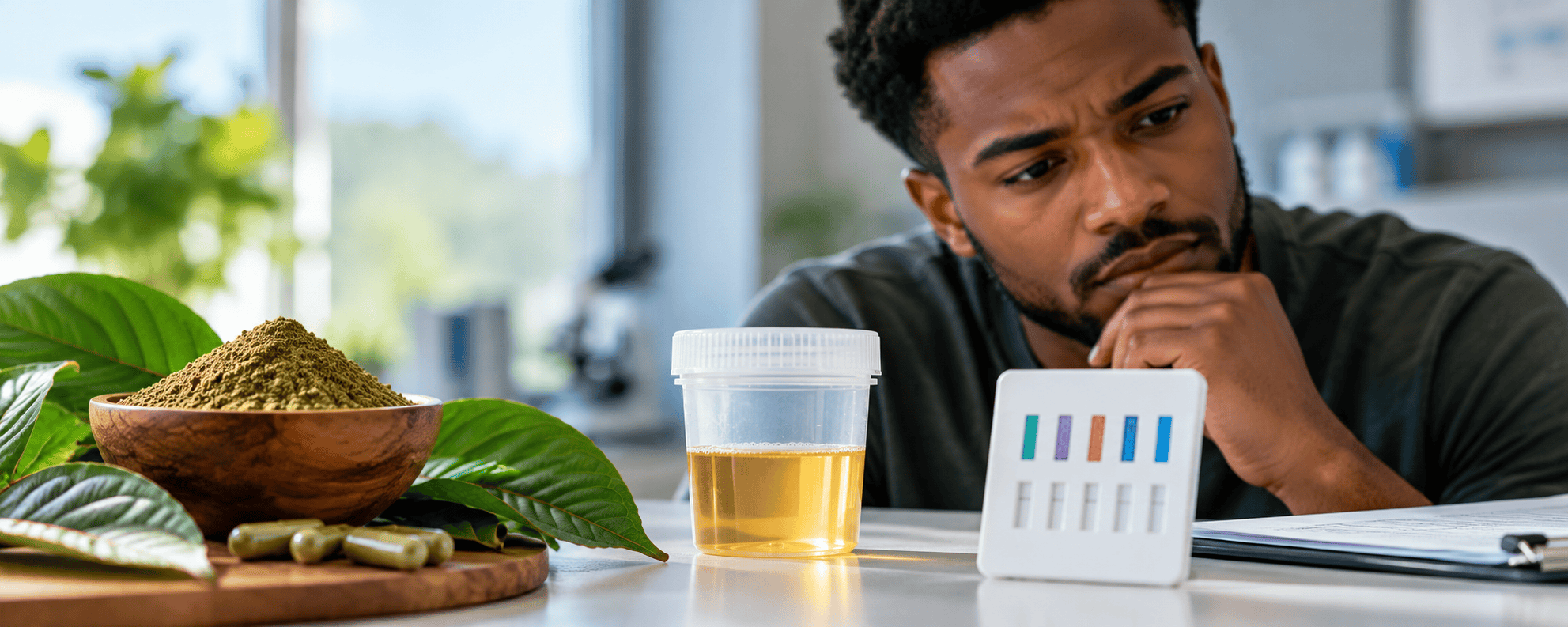
Because kratom isn’t a traditional opiate and isn’t federally scheduled, it doesn’t appear on standard drug testing panels the way morphine or codeine would. Standard 5-panel and 10-panel tests are built to detect substances regulated under federal workplace guidelines, and kratom’s structurally distinct alkaloids fall outside what those panels are calibrated to catch.
Detecting kratom requires a specialized kratom drug test, one specifically designed to identify mitragynine and 7OH kratom metabolites. These specialized tests are typically ordered in specific circumstances, such as substance use treatment programs, suspected impairment, legal proceedings, or pain management settings where a physician wants a fuller picture of what’s in a patient’s system.
This is where kratom’s unusual classification becomes practically relevant. Because it’s not an opioid in the traditional sense, but it does act on opioid receptors, testing labs have had to build separate, targeted panels just for kratom rather than folding it into existing opiate tests. If you want a deeper breakdown of exactly how standard drug panels are built and when kratom-specific testing gets ordered, our complete guide to kratom and drug screening covers that process in detail.
When Kratom Use Becomes a Concern
For many people, kratom starts as a way to self-manage pain, anxiety, or even opioid withdrawal symptoms. Because it acts on the same receptors as opioids, though, regular use can lead to physical dependence and a withdrawal syndrome that feels remarkably similar to opioid withdrawal.
Choose to pay attention if you notice:
- Needing more kratom over time to feel normal or achieve the same effect
- Feeling physically unwell, anxious, or irritable without it
- Using kratom specifically to avoid withdrawal rather than for any benefit it once provided
- Difficulty cutting back despite wanting to
- Spending significant time or money seeking out kratom products
None of these signs mean someone has failed or done something wrong. They simply mean the body has adapted to regular exposure to a substance that behaves like an opioid, because in this respect, it does. Recognizing that pattern early can make a real difference.
At Royal Life Centers at Sound Recovery, located in Lacey, Washington, every guest is met with the same warmth, respect, and individualized care that recovery requires. Our team understands the physical and emotional layers of dependence, including cases involving kratom and other substances that affect the opioid receptors, and we tailor treatment to fit each guest’s specific history and needs. Explore our substance abuse treatment programs to learn how we support guests through this process, or read more about what to know when searching for addiction treatment in Lacey, WA.
Understanding the Full Picture
Kratom occupies a genuinely unusual space. It isn’t an opioid by botanical origin or chemical structure, yet it acts powerfully on the same receptors that make opioids both effective and risky. That contradiction is precisely why kratom shows up differently on drug panels, why its legal status varies so widely by state, and why some people find themselves more dependent on it than they ever expected.
Understanding this distinction gives you the clarity to interpret information accurately, whether you’re reading about a drug test, researching legality in your state, or trying to understand your own relationship with kratom. If a screening is coming up, the most useful next step is confirming exactly what your test panel is designed to detect. Learn which substances common drug panels are built to identify, so you know precisely what to expect.
And if you’ve read through this guide and recognized your own experience in the section on dependence, reaching out for support is a sign of strength. You can begin the admissions process today, or verify your insurance to see what coverage may be available to you. Because We Care.
Frequently Asked Questions
Is kratom classified as an opioid?
No. Kratom is not botanically or legally classified as an opioid since it comes from a different plant family than the opium poppy. However, its active compounds, mitragynine and 7OH kratom, bind to the same opioid receptors as morphine and oxycodone, producing similar effects.
What are the main active compounds in kratom?
Kratom’s effects come primarily from mitragynine and its metabolite, 7-hydroxymitragynine (7OH kratom). Both interact with mu-opioid receptors in the brain, though 7OH kratom is significantly more potent.
Is kratom legal in the United States?
It depends on where you live. Kratom is not federally scheduled, but several states, including Alabama, Arkansas, Indiana, Rhode Island, Vermont, and Wisconsin, have banned it outright, and some cities have local restrictions even in states where it remains legal.
Does kratom’s classification affect how it shows up on a drug test?
Yes. Because kratom isn’t a traditional opiate, it doesn’t appear on standard 5-panel or 10-panel drug tests. Detecting it requires a specialized kratom drug test built specifically to identify mitragynine and 7OH kratom.
Can kratom use lead to dependence like traditional opioids?
Yes. Because kratom acts on the same opioid receptors as traditional opioids, regular use can lead to tolerance, physical dependence, and withdrawal symptoms that closely resemble opioid withdrawal.
What should I do if I think my kratom use has become a problem?
Reach out to a treatment provider for an honest conversation. Because kratom interacts with opioid receptors, withdrawal can be uncomfortable, and professional support, like the programs offered at Royal Life Centers at Sound Recovery, can make the process safer and more manageable.
- “FDA and Kratom.” FDA, U.S. Department of Health and Human Services, 2025. FDA and Kratom.
- U.S. Food and Drug Administration. “Products Containing 7-OH Can Cause Serious Harm.” FDA, U.S. Department of Health and Human Services, 2025. FDA 7-OH Consumer Update.
- U.S. Food and Drug Administration. 7-Hydroxymitragynine (7-OH): An Assessment of the Scientific Data and Toxicological Concerns Around an Emerging Opioid Threat. U.S. Department of Health and Human Services, 2025. FDA Scientific Assessment of 7-OH.
- National Center for Complementary and Integrative Health. “Kratom.” NCCIH, National Institutes of Health, U.S. Department of Health and Human Services. NIH/NCCIH Kratom Overview.