Key Takeaways:
- Standard 5-panel, 10-panel, and 12-panel drug tests do not screen for kratom, since these panels target substances like THC, opioids, cocaine, and amphetamines rather than mitragynine.
- Detecting kratom requires a specialized test using liquid chromatography-mass spectrometry (LC-MS), which is typically only ordered when there’s specific cause for concern.
- Kratom is sold in many forms, including pills, shots, beverages, and vapes, with products like 7OH kratom and Opia kratom offering significantly higher potency than traditional kratom tea.
- Kratom is legal in most U.S. states and is not classified as an opioid, but its alkaloids act on opioid receptors and can lead to dependence with regular use.
Question:
Will a 10-panel drug test detect kratom use?
Answer:
This guide explains why standard 5-panel, 10-panel, and 12-panel drug tests don’t detect kratom, since these screenings are designed to catch substances like THC, opioids, and stimulants rather than kratom’s active compound, mitragynine. It breaks down what each panel tests for, explains why specialized LC-MS testing is needed to identify kratom, and outlines the various kratom products on the market, including pills, shots, beverages, vapes, and concentrated extracts like Opia and 7OH kratom. The guide also addresses kratom’s legal status, its opioid-like effects, and signs that kratom use may have become problematic, pointing readers toward treatment resources for support.
If you’ve been told you’re taking a “standard” drug panel and you’re wondering whether your kratom use will show up, you’re not alone. Kratom occupies a strange gray area in the world of drug testing. It’s sold openly in gas stations and smoke shops, yet it acts on the same opioid receptors in the brain as prescription painkillers. That contradiction leaves a lot of people confused about what a routine panel can and can’t detect.
This guide breaks down exactly what the 5-panel, 10-panel, and 12-panel tests screen for, why kratom typically slips past them, and when a more targeted test might come into play. We’ll also touch on the different forms kratom comes in, its legal status, and what to do if kratom use has become harder to control than expected.
What Is Kratom?
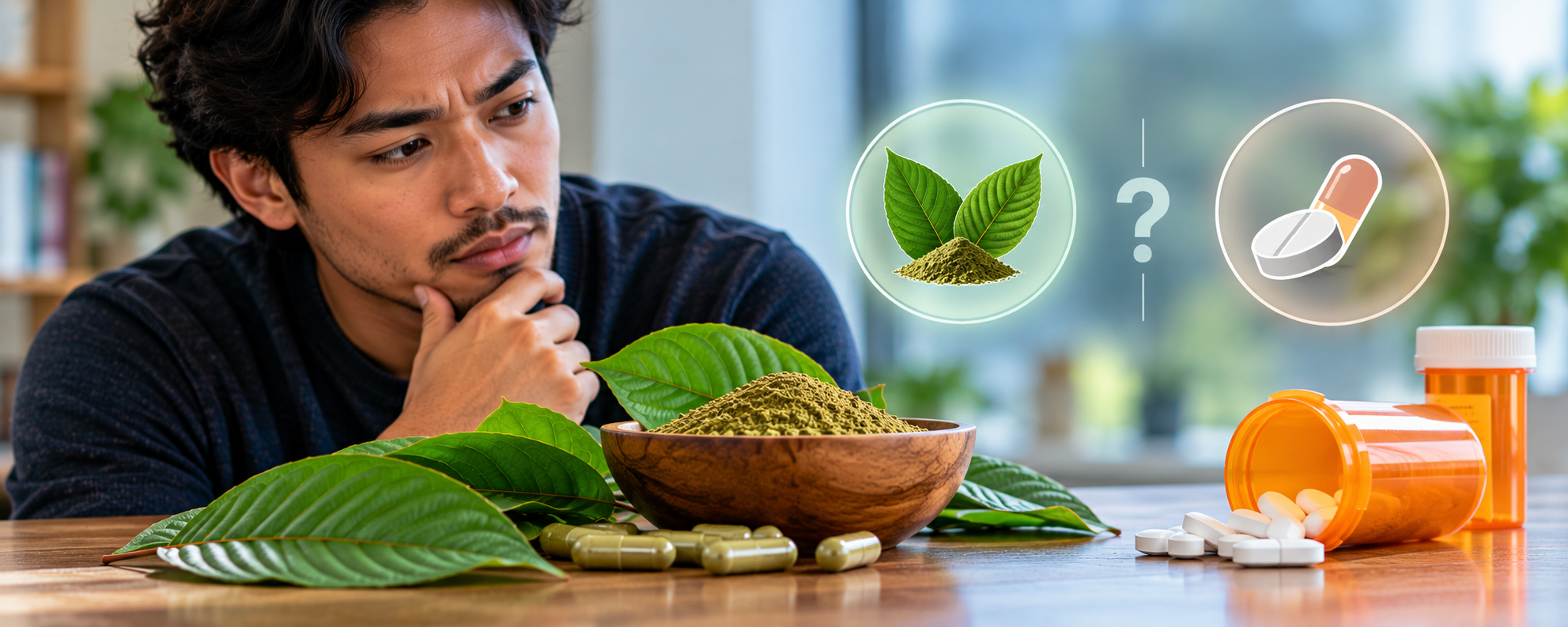
Kratom is a plant-based substance derived from the leaves of Mitragyna speciosa, a tree native to Southeast Asia. Its two primary active compounds, mitragynine and 7-hydroxymitragynine (7OH), interact with opioid receptors in the brain, which is why kratom can produce effects ranging from mild stimulation at low doses to sedation and pain relief at higher doses.
Because kratom isn’t regulated the way prescription opioids are, people use it for a wide range of reasons, including pain management, opioid withdrawal relief, and mood enhancement. For a deeper look at what kratom is and why people use it, visit our dedicated kratom resource.
How Are Standard Drug Testing Panels Structured?
Drug testing panels are named for the number of substances or drug classes they screen for. Employers, courts, and treatment centers select a panel size based on what they need to know—more panels mean a broader net, but even the widest standard panels are built around a fairly predictable list of commonly abused substances.
These panels typically rely on immunoassay technology, which uses antibodies to detect specific drug metabolites in urine, blood, hair, or saliva. The catch is that immunoassays are only designed to react to the substances they were built to detect. If a compound like mitragynine isn’t part of that target list, the test won’t flag it, no matter how much of it is in someone’s system.
This is the central reason kratom so often goes undetected: it’s simply not on the list most panels were designed to catch.
Does the 5-Panel Drug Test Include Kratom?
The 5-panel drug test is one of the most common screenings used by employers because it’s affordable and covers the substances most frequently associated with workplace impairment. It typically screens for:
- Marijuana (THC)
- Cocaine
- Opiates (codeine, morphine, heroin)
- Amphetamines/methamphetamine
- Phencyclidine (PCP)
Kratom is not included in a standard 5-panel drug test. Since mitragynine is chemically distinct from the opiates this panel targets, it won’t trigger a positive result, even with regular or heavy kratom use.
Does the 10-Panel Drug Test Include Kratom?
The 10-panel drug test expands on the 5-panel by adding several prescription medications that are commonly misused. In addition to the five substances above, it usually screens for:
- Barbiturates
- Benzodiazepines
- Methadone
- Propoxyphene
- Methaqualone (Quaaludes)
Kratom is not included in a standard 10-panel drug test. Despite this panel’s broader scope, none of the additional five categories overlap with kratom’s active compounds. A person could test negative on all ten panels while still using kratom daily.
Does the 12-Panel Drug Test Include Kratom?
The 12-panel drug test casts the widest net among the three, often adding:
- Oxycodone
- Ecstasy/MDMA
Kratom still doesn’t appear on a standard 12-panel drug test. Even though this panel captures more synthetic opioids and party drugs, mitragynine’s distinct chemical structure means it continues to fall outside the detection window of standard immunoassay screening.
Why Doesn’t Kratom Show Up on Standard Panels?
The short answer: standard panels are built to detect specific, predetermined drug metabolites, and mitragynine isn’t one of them. Immunoassay tests use antibodies calibrated to react to particular molecular structures. Since kratom’s alkaloids don’t closely resemble the opioids, stimulants, or other substances these panels target, they pass through undetected.
There’s also a practical reason kratom is often left out: it remains legal in most U.S. states, and testing labs prioritize substances with the highest rates of misuse, legal consequence, or workplace risk. Choose a standard panel if the goal is screening for common illicit drugs and prescription misuse. Choose a specialized kratom test if there’s a specific concern about kratom use itself.
Are you struggling with substance abuse and mental illness?
Royal Life Centers at Sound Recovery is here to help you recover. Because We Care.
When Is Specialized Kratom Testing Used?
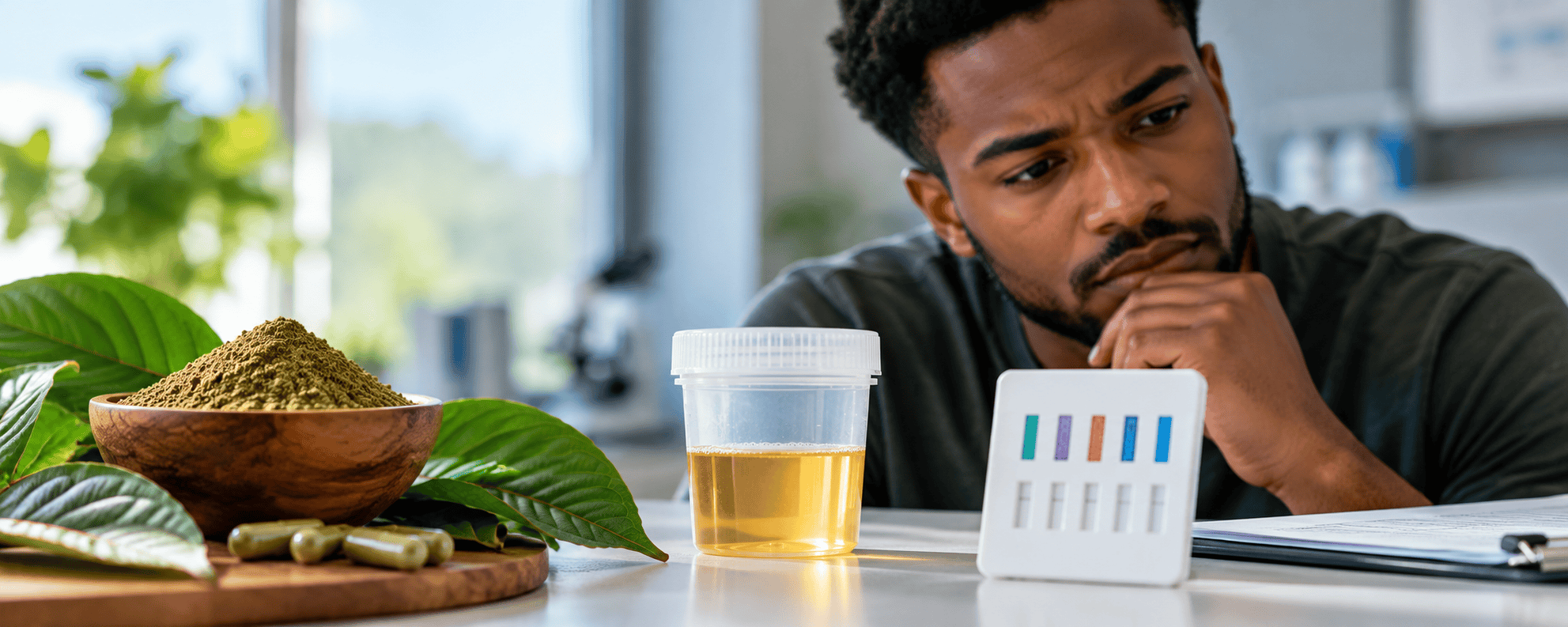
Because kratom isn’t part of routine panels, detecting it requires a dedicated kratom drug test, which typically uses liquid chromatography-mass spectrometry (LC-MS) to identify mitragynine and 7-hydroxymitragynine directly. These specialized kratom drug test methods aren’t standard practice, so they tend to appear only in specific circumstances, such as:
- A treatment program that suspects kratom use is complicating a person’s recovery from opioid addiction
- A pain management clinic monitoring compliance with a treatment agreement
- An employer or court that has specific cause to test for kratom, such as a workplace incident or probation requirement
- A physician trying to understand unexplained symptoms consistent with opioid-like intoxication or withdrawal
If you’re entering treatment and kratom use is part of your history, being upfront about it helps your care team build an accurate picture of your needs. Our substance abuse treatment programs rely on honest intake information to design the right plan of care.
What Kratom Products Do People Use?
Kratom has evolved well beyond dried leaves brewed into tea. Today, it’s sold in a wide range of forms, each with different potency levels and use patterns:
- Kratom pills: Pre-measured capsules that offer a convenient, discreet way to consume a consistent dose.
- Kratom shots: Concentrated liquid extracts sold in small bottles, often delivering a much stronger dose than pills or powder.
- Kratom beverages: Ready-to-drink kratom-infused drinks, increasingly sold alongside energy drinks and functional beverages at convenience stores.
- Kratom vape and kratom vapes: Vaporized kratom extract products marketed as a fast-acting alternative, though their safety profile is less studied than other forms.
- Opia kratom: A branded kratom extract product known for higher concentrations of active alkaloids.
- 7OH kratom: Products specifically concentrated for 7-hydroxymitragynine, the more potent of kratom’s two primary alkaloids, which some researchers believe carries a higher risk of dependence than mitragynine alone.
The variety of kratom products on the market makes it easy to underestimate how much active compound someone is actually consuming. A kratom shot or a 7OH-concentrated extract delivers a very different dose than a cup of traditional kratom tea, even though both come from the same plant.
Is Kratom Legal? Is Kratom an Opioid?
Is kratom legal? In most states, yes. Kratom is legal at the federal level and in the majority of U.S. states, though a handful of states and municipalities have banned or restricted it. Because regulation varies so widely, it’s worth checking local laws before assuming kratom is permitted everywhere.
Is kratom an opioid? Not in the traditional sense, but its effects overlap significantly. Kratom’s alkaloids bind to the same opioid receptors as substances like morphine and oxycodone, which is why kratom can relieve pain, ease opioid withdrawal symptoms, and, with regular use, lead to physical dependence. This opioid-like activity is precisely why kratom use deserves the same level of care and attention as any other substance with dependence potential, even though it remains legal to purchase in most places. To learn more about how opioids affect the brain and body, visit our drug addiction resource.
When Does Kratom Use Become a Problem?
Kratom’s legal status and easy accessibility can make it feel low-risk, but for some people, what starts as occasional use gradually turns into a daily habit that’s hard to stop. Signs that kratom use may have become a problem include:
- Needing increasing amounts to feel the same effects
- Experiencing withdrawal symptoms like irritability, muscle aches, or anxiety when not using it
- Spending significant time or money sourcing kratom products
- Using kratom to manage stress, pain, or emotional discomfort rather than as an occasional choice
- Feeling unable to cut back despite wanting to
If any of this sounds familiar, please know that support is available, and asking for help is a sign of strength, not failure. Treatment options for kratom dependence often mirror those used for opioid use disorder, including medically supervised detox, individual and group therapy, and structured outpatient care. At Royal Life Centers at Sound Recovery, guests receive individualized support that addresses the physical and emotional layers of dependence, helping them build a foundation for lasting recovery.
Understanding Panel Composition Is Just the First Step
Knowing that a 5-panel, 10-panel, or 12-panel drug test won’t catch kratom use is useful information, but it isn’t the whole picture. Panel composition tells you what a test is looking for, not whether kratom use itself is safe or sustainable. If you’re relying on kratom’s absence from standard screenings as a reason to keep using it, that’s often a sign worth paying attention to.
For a closer look at how targeted testing works and when it comes into play, check our dedicated kratom-testing guide. And if you’re ready to talk to someone about your options, our admissions team is available to walk you through next steps, and you can verify your insurance confidentially online before you ever pick up the phone.
Frequently Asked Questions
Will kratom show up on a standard workplace drug test?
No. Standard 5-panel, 10-panel, and 12-panel workplace drug tests are not designed to detect mitragynine, the active compound in kratom. A separate, specialized kratom test is required to identify it.
How much does a specialized kratom drug test cost?
Costs vary by lab and testing method, but specialized kratom tests using LC-MS technology are generally more expensive than standard immunoassay panels since they require more advanced equipment and analysis.
How long does kratom stay in your system?
Kratom’s alkaloids can be detected by specialized testing for roughly one to nine days after use, depending on factors like dosage, frequency of use, and individual metabolism.
What are the risks of using kratom regularly?
Regular kratom use can lead to physical dependence, tolerance, and withdrawal symptoms similar to those associated with opioids, particularly with concentrated products like 7OH kratom or kratom shots.
Who is affected by kratom’s legal status?
Kratom’s legality varies by state and municipality. While it remains legal in most of the U.S., some areas have implemented bans or age restrictions, so checking local regulations is important.
Are there alternatives to kratom for pain or opioid withdrawal management?
Yes. Medically supervised detox and treatment programs offer evidence-based alternatives for managing pain and withdrawal symptoms without the dependence risks associated with kratom. Our substance abuse treatment programs can help identify the right approach for your needs.
- “FDA and Kratom.” FDA, U.S. Department of Health and Human Services, 2025. FDA and Kratom.
- U.S. Food and Drug Administration. “Products Containing 7-OH Can Cause Serious Harm.” FDA, U.S. Department of Health and Human Services, 2025. FDA 7-OH Consumer Update.
- U.S. Food and Drug Administration. 7-Hydroxymitragynine (7-OH): An Assessment of the Scientific Data and Toxicological Concerns Around an Emerging Opioid Threat. U.S. Department of Health and Human Services, 2025. FDA Scientific Assessment of 7-OH.
- National Center for Complementary and Integrative Health. “Kratom.” NCCIH, National Institutes of Health, U.S. Department of Health and Human Services. NIH/NCCIH Kratom Overview.