Addiction
Is Kratom an Opioid? Understanding How Kratom Is Classified
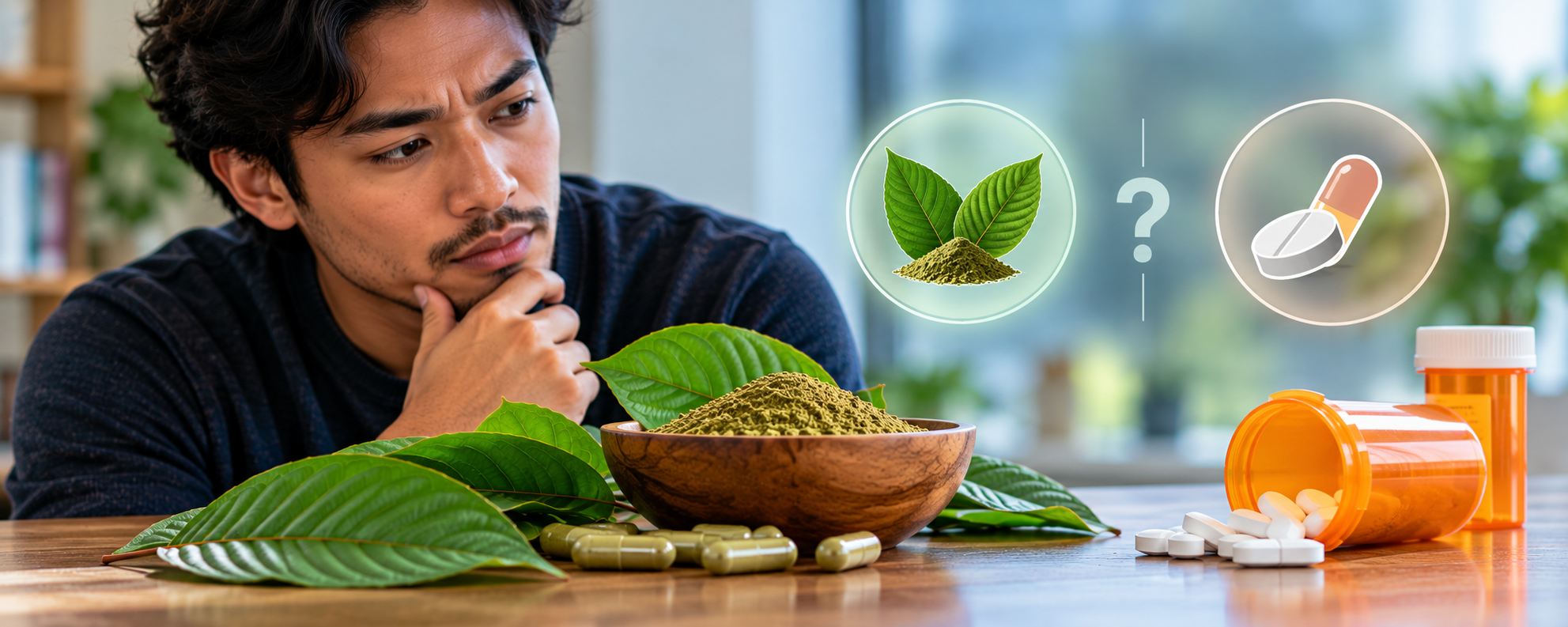
Key Takeaways: Kratom is not classified as an opioid botanically or legally, since it comes from Mitragyna speciosa, a tree in the coffee family, rather

Key Takeaways: Kratom is not classified as an opioid botanically or legally, since it comes from Mitragyna speciosa, a tree in the coffee family, rather

Key Takeaways: Kratom does not appear on standard 5-panel or 10-panel drug tests; detecting it requires a specialized test that screens specifically for mitragynine and

Key Takeaways Reaching one year sober doesn’t require a full plan on day one—recovery starts with a single day and builds from there through smaller,
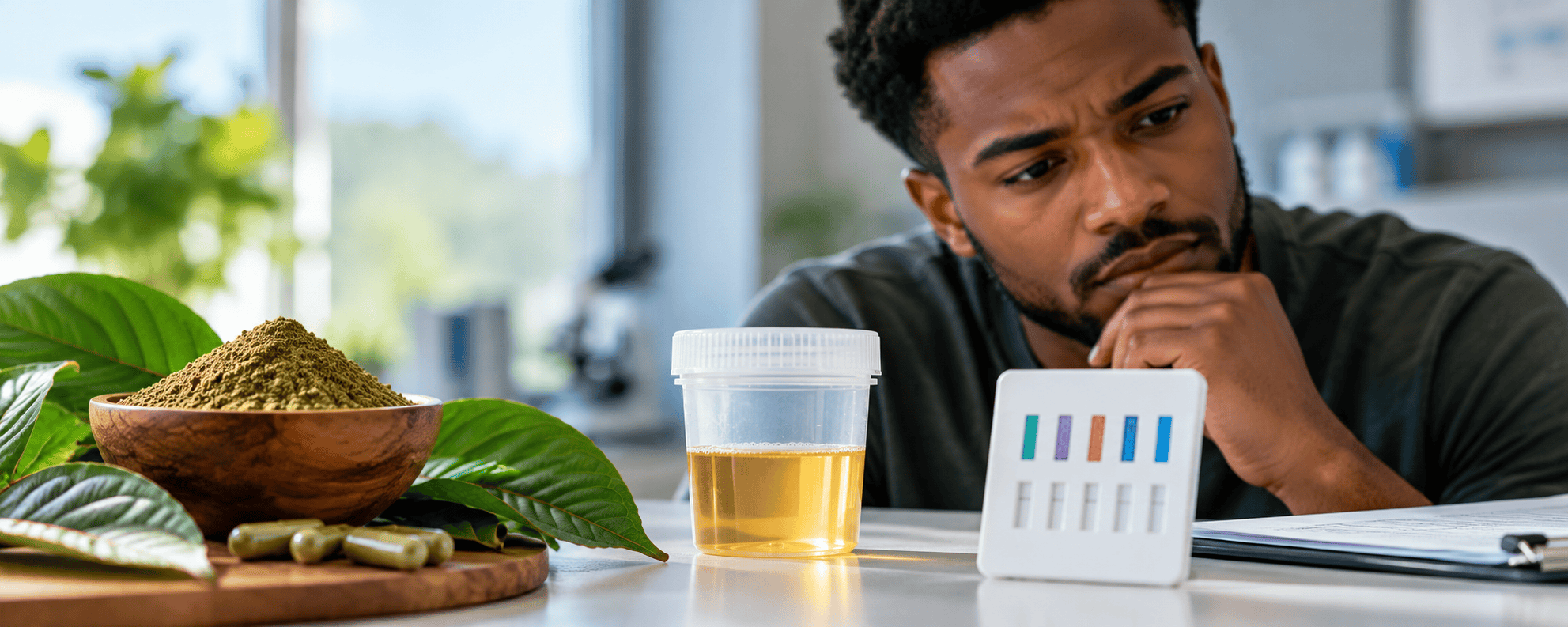
Key Takeaways: Standard 5-panel, 10-panel, and 12-panel drug tests do not screen for kratom, since these panels target substances like THC, opioids, cocaine, and amphetamines

Key Takeaways: Kratom is a tropical tree from Southeast Asia whose leaves contain mitragynine and 7-hydroxymitragynine (7OH kratom), compounds that interact with opioid receptors in

Key Takeaways Mental health skills can be learned and developed. Skill building uses psychotherapy, goal-setting, teaching strategies, and self-exploration to help people manage emotional, cognitive,

Key Takeaways College can create significant mental health stress: Academic pressure, social expectations, financial concerns, and the transition to adulthood can contribute to anxiety, depression,

Key Takeaways Drug-seeking behavior can be part of the addiction cycle. The blog describes a cycle in which emotional or physical discomfort leads to memories

Key Takeaways Suboxone withdrawal can occur when someone reduces or stops taking the medication after developing physical dependence. Symptoms may vary depending on factors

Key Takeaways Chronic cocaine use can affect brain chemistry and contribute to changes in mood, including symptoms of depression. Cocaine impacts neurotransmitters involved in pleasure,