After building sobriety maintenance skills in treatment, ongoing peer support can make all the difference in long-term recovery. Programs like SMART Recovery offer a safe, structured environment where individuals can strengthen their commitment to abstinence and continue personal growth. At Sound Recovery, we connect our guests to trusted aftercare programs—linking them with peers who understand their journey and providing research-based principles that support lasting sobriety.
Before diving into what SMART Recovery is and how to prepare for your first meeting, let’s take a closer look at the role of recovery support groups in general.
What Are Recovery Support Groups?
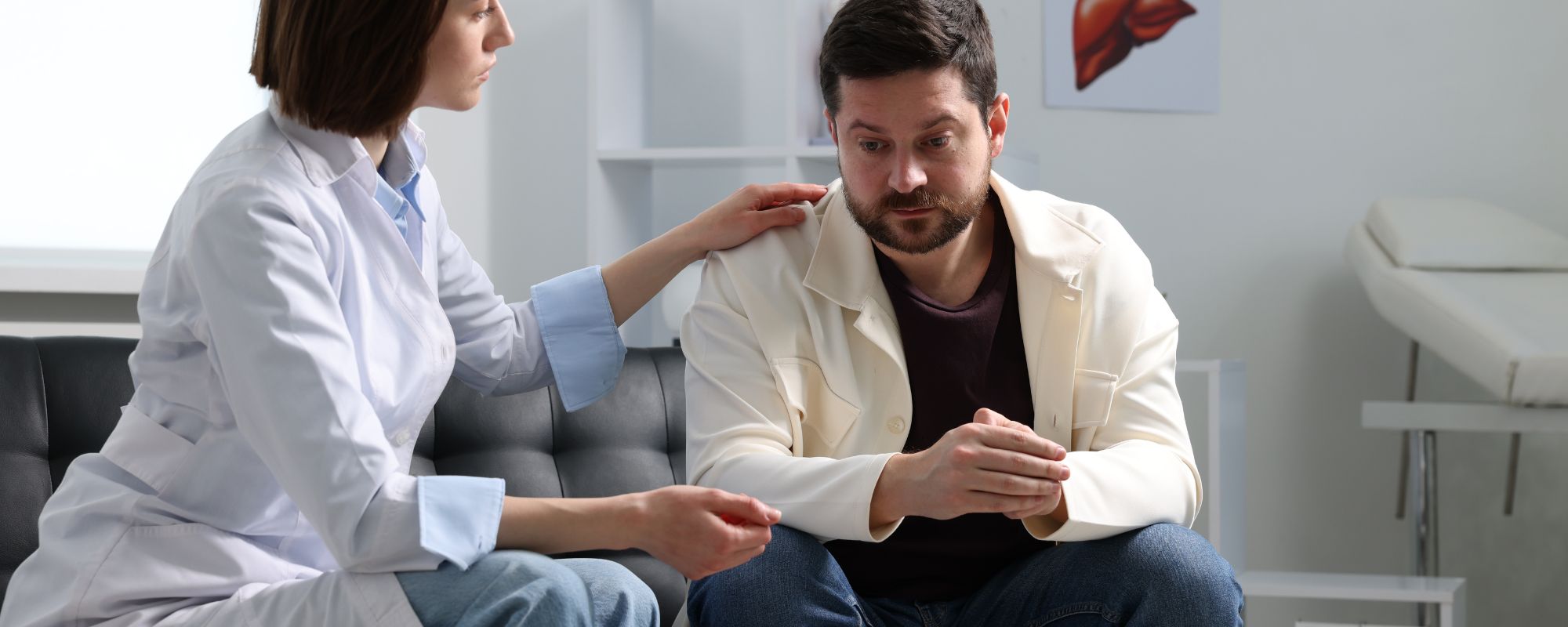
Recovery support groups are peer-led communities designed to bring together individuals with shared experiences for mutual healing and growth. These groups typically meet regularly—weekly, biweekly, or monthly—either in person or online. A facilitator, often someone who has faced and overcome the same challenges, leads each session. While facilitators are trained in the group’s approach, they aren’t always licensed medical professionals (though some are).
During meetings, members have the opportunity to share their own experiences, listen to others’ stories, and respond to guided discussion prompts. This process fosters empathy, accountability, and a powerful reminder that no one has to face recovery alone.
Anonymity is often an important part of these groups, keeping the focus on shared experiences rather than personal identities. Recovery support groups exist for a wide range of challenges, including mental health issues, substance use disorders, and behavioral addictions. Common focus areas include:
- Alcohol addiction
- Drug addiction
- Gambling
- Hoarding
- Co-dependent relationships
- Mental health disorders
- Eating disorders
- Sex addiction
- Workaholism
- Trauma survivors
Notably, recovery support groups are available for individuals who are struggling, as well as their family members. And you can choose between groups that have a religious or secular focus to their program.
What Is SMART Recovery?
SMART Recovery stands for Self-Management and Recovery Training, an addiction recovery program. Individuals enter the program for addictions like drugs, alcohol, and gambling, eating disorders, and other behavioral challenges. Developed in 2017, it is an evidence-informed rehab program based primarily on the groundwork of rational emotive behavioral therapy (REBT) and cognitive behavioral therapy (CBT). You can find SMART recovery groups in the United States, remotely, and around the world.
What Is the Goal of SMART Recovery?
SMART Recovery is based in goal-setting with its own principles and pillars. To elaborate, the four pillars in the SMART recovery handbook are motivation, coping with cravings, managing oneself, and living with balance. As shown in the emphases of the program, it focuses on empowerment and self-reliance. Through SMART Recovery meetings and their focus on discussion and the implementation of the SMART Recovery tools, individuals grow in strength and motivation.
Are you struggling with substance abuse and mental illness?
Royal Life Centers at Sound Recovery is here to help you recover. Because We Care.
SMART Recovery vs AA: Which Is Better?
You’ve likely heard of Alcoholics Anonymous (AA), another recovery support group with much popularity. There are some differences between the programs, although individuals can choose to work through both at different times. When considering SMART Recovery vs AA, SMART Recovery is a secular program, whereas AA focuses on a higher power. Those in AA can choose to relate to the higher power however they prefer, but SMART Recovery is instead focused on self-empowerment. Additionally, as evidenced in the name, AA has individuals define themselves as alcoholics without shame or stigma, but as a reality. On the other hand, SMART Recovery uses no labels like alcoholic or addict. As far as the outline of each program, they are similar in their regular meetings, peer discussion, and program principles and guidelines to follow.
We can connect our guests with both peer-led programs during aftercare. We also provide our own resources like Sober Living housing, case management, and ongoing treatment support.
Tips for Attending Your First SMART Recovery Meeting
If you are preparing for your first SMART Recovery meeting, you might feel a bit nervous about what to expect. Overall, SMART Recovery group meetings are practically the same as other peer recovery meetings. However, if it’s your first time attending any support group, here is a helpful overview of what to expect.
When you first arrive, there will likely be time to mingle, grab a snack or drink, and find a chair. You might be provided with some papers outlining the SMART method. Once everyone is seated, the group leader will start the meeting by reading a Group Welcome. They might also share notes or updates. Next, the leader will have each person go around and provide a check-in on how they’ve been doing since the last meeting. Since participation is optional, especially as a new attendee, you can choose to pass on speaking if you’d like.
There will be time to review one of the core SMART tools so everyone becomes better acquainted with the program. Similarly, the leader might have the group practice a tool using an example that was discussed. There will be more room for group discussion and conversation about struggles, questions, or tools.
When coming into your first meeting, try to keep an open mind. Also, even though you may feel shy, you can gain a lot from speaking in a support group meeting. Yet, there is much benefit in listening, too, so don’t feel bad if you don’t want to share. The meeting will probably span between 60 and 90 minutes overall.
SMART Recovery at Sound Recovery
You can find SMART Recovery programming and other peer recovery support groups in Puget Sound. Sound Recovery Center is our holistic treatment center in Lacey, Washington. We provide recovery programming for addiction and mental health that encompasses inpatient and outpatient treatment and aftercare. In these stages of your healing, you’ll unpack the roots of your disorder and practice coping skills and healthy thinking patterns. Of course, your treatment program is entirely customized to you. Although you’ll participate in our signature combination of traditional and alternative therapies, the focus will be determined by your needs. We offer unique programming for veterans and first responders, men and women, and those with mental disorders, substance use disorders, trauma disorders, and co-occurring conditions.
We believe recovery support groups, both 12-step and alternative programs, are valuable additions to a person’s treatment plan. Combining ongoing aftercare support with comprehensive healing at our center is the best way to promote long-term success. As such, we would love to connect you to SMART Recovery and other peer-led groups during your aftercare and case management portion of rehab. Please contact us to get set up with a SMART Recovery meeting near you.